Embark on a poignant journey through history with a self-guided tour‚ retracing President Kennedy’s final moments in Dallas‚ from Love Field to Parkland Hospital․
This immersive experience allows exploration of Dealey Plaza and key locations at your own pace‚ offering a deeper understanding of the tragic events of November 22‚ 1963․
Overview of the Historical Significance
The assassination of President John F․ Kennedy on November 22‚ 1963‚ remains a watershed moment in American history‚ profoundly impacting the nation’s psyche and political landscape․ Dallas‚ Texas‚ became the unwilling epicenter of this tragedy‚ forever linked to the events unfolding that day․
A self-guided tour through Dallas isn’t merely a recounting of facts; it’s an exploration of a pivotal moment that challenged national ideals and sparked enduring debate․ The route from Love Field‚ through Dealey Plaza‚ and culminating at Parkland Hospital‚ represents a physical and emotional journey through the unfolding crisis․
Understanding the historical context – the Cold War tensions‚ the Civil Rights Movement‚ and the political climate of the era – is crucial to grasping the significance of Kennedy’s visit and the subsequent fallout․ This tour offers a chance to confront the complexities of this event and reflect on its lasting legacy․
Planning Your Tour: Timing and Logistics
Allow approximately 3-4 hours to complete a comprehensive self-guided JFK tour of Dallas‚ factoring in travel time between locations and time spent at each site‚ particularly the Sixth Floor Museum․ Consider starting early in the morning to avoid peak traffic and crowds‚ especially during tourist season․
Comfortable walking shoes are essential‚ as portions of the tour involve walking around Dealey Plaza․ Audio tour options and apps are readily available (see Resources section) and enhance the experience with detailed narration and historical context․
Parking can be challenging in the downtown area; research parking options near Dealey Plaza beforehand․ Public transportation is also a viable alternative․ Remember to check the operating hours of the Sixth Floor Museum and other attractions before your visit to ensure accessibility․
Starting Point: Love Field
Begin your tour at Love Field‚ where President Kennedy arrived in Dallas on November 22‚ 1963‚ marking the start of his fateful visit to Texas․
JFK’s Arrival at Love Field
Upon landing at Love Field on that November morning‚ President Kennedy was greeted by enthusiastic crowds‚ a stark contrast to the tragedy that would soon unfold․ Imagine the scene: the crisp Texas air‚ the cheering supporters‚ and the youthful energy surrounding the presidential couple․
Standing on the tarmac‚ Jackie Kennedy captivated onlookers with her iconic pink suit․ This initial reception at Love Field represents a moment of optimism before the day took a devastating turn․ Consider the historical weight of this location – it was the first stop on a journey that would forever be etched in American memory․
Today‚ visitors can stand on or near the spot where Air Force One touched down‚ attempting to visualize the atmosphere and the hopes that filled the air before the motorcade departed for downtown Dallas․ Reflect on the contrast between the initial welcome and the subsequent events at Dealey Plaza․
The Route from Love Field to Downtown Dallas
The presidential motorcade’s journey from Love Field to downtown Dallas followed a carefully planned route‚ designed to maximize public engagement․ However‚ this route inadvertently created vulnerabilities that would prove fatal․ Visualize the open roads‚ lined with cheering citizens‚ unaware of the impending danger․
Lemmon Avenue was a key segment‚ transitioning into the Stemmons Freeway before turning onto Elm Street․ The speed of the motorcade‚ combined with the relatively open environment‚ presented challenges for security․ Consider the logistical complexities of coordinating such a large procession through a bustling city․
Tracing this path today allows visitors to understand the physical layout and appreciate the distances involved․ It’s a sobering exercise‚ realizing how quickly the motorcade traveled towards its fateful destination – Dealey Plaza – and the limited time available for reaction․
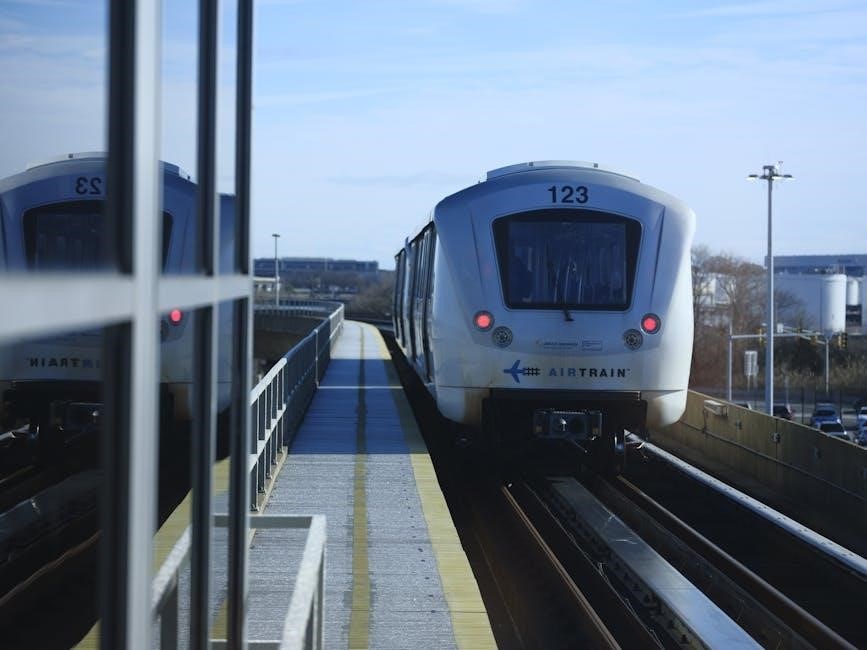
Dealey Plaza: The Heart of the Tragedy
Dealey Plaza stands as the focal point of the JFK assassination‚ a location forever etched in history due to the events of that November day in 1963․
The Grassy Knoll and its Controversies
The Grassy Knoll‚ a seemingly innocuous patch of land overlooking Dealey Plaza‚ remains a central point of debate and speculation surrounding the JFK assassination․ Numerous eyewitnesses reported hearing shots originating from this area‚ fueling theories of a second shooter and a potential conspiracy beyond Lee Harvey Oswald․
Despite extensive investigations‚ no conclusive evidence has ever been found to support these claims․ The Warren Commission concluded that Oswald acted alone‚ firing all shots from the Texas School Book Depository․ However‚ the persistent questions and conflicting accounts continue to captivate researchers and the public alike․
Visiting the Grassy Knoll today offers a sobering opportunity to contemplate the enduring mysteries and examine the physical space where so much uncertainty resides․ It’s a place where history‚ speculation‚ and unanswered questions converge‚ prompting reflection on one of America’s most traumatic events․
The Texas School Book Depository
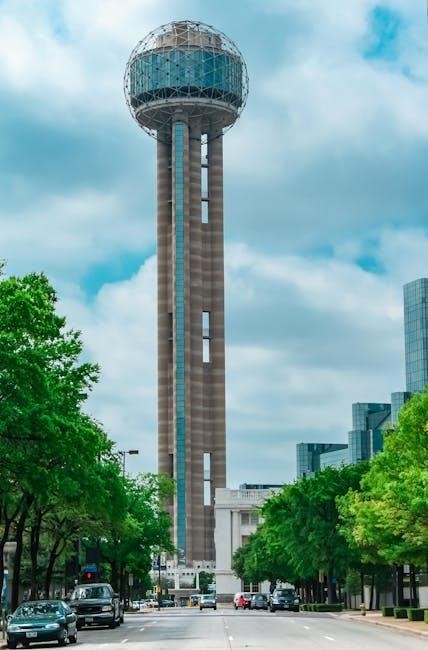
The Texas School Book Depository‚ a seemingly ordinary warehouse in 1963‚ stands as the infamous location from which Lee Harvey Oswald allegedly fired the shots that killed President Kennedy․ Today‚ it houses the Sixth Floor Museum at Dealey Plaza‚ a poignant and comprehensive chronicle of the assassination and its aftermath․
Exploring the building allows visitors to trace Oswald’s movements and understand the vantage point from which he operated․ The preserved sixth floor‚ with its stark exhibits‚ offers a chilling glimpse into the events of that fateful day․ It’s a space imbued with historical weight and somber reflection․
The Depository’s significance extends beyond the act itself; it represents the vulnerability of a nation and the enduring questions surrounding a pivotal moment in American history․
Elm Street and the Motorcade Route
Elm Street‚ a seemingly normal thoroughfare‚ became etched in history as the path of President Kennedy’s motorcade on November 22‚ 1963․ Walking this route provides a visceral connection to the events of that day‚ allowing visitors to visualize the scene as it unfolded․
Standing at the precise locations along Elm Street‚ one can appreciate the proximity of the crowds‚ the buildings‚ and the tragic point where the shots were fired․ Marked locations highlight key moments and perspectives‚ fostering a deeper understanding of the assassination’s impact․
The route serves as a powerful reminder of the fragility of life and the enduring legacy of this pivotal moment in American history‚ prompting reflection and remembrance․
The Sixth Floor Museum at Dealey Plaza
Explore compelling exhibits detailing the life‚ death‚ and legacy of JFK‚ housed within the Texas School Book Depository‚ offering a self-guided‚ in-depth experience․
Exploring Exhibits on the Sixth Floor
Step into a meticulously curated historical experience on the Sixth Floor‚ where exhibits unfold the narrative surrounding the assassination of President Kennedy․ The museum utilizes a chronological approach‚ presenting a comprehensive overview of the events leading up to‚ during‚ and following that fateful day in November 1963․
Visitors will encounter original artifacts‚ photographs‚ and film footage‚ providing a visceral connection to the past․ Interactive displays delve into the political climate of the era‚ the individuals involved‚ and the subsequent investigations․ The museum doesn’t shy away from presenting the various theories and controversies surrounding the assassination‚ encouraging critical thinking and informed discussion․
Detailed reconstructions of the book depository‚ including Lee Harvey Oswald’s workspace‚ offer a chilling glimpse into the physical space where history was irrevocably altered․ Allow ample time to absorb the wealth of information presented‚ as the exhibits are designed to be both informative and emotionally resonant․
Understanding the Historical Context
To fully grasp the significance of the JFK assassination‚ it’s crucial to understand the turbulent historical backdrop of the early 1960s․ America was grappling with the Cold War‚ the Civil Rights Movement‚ and growing social unrest․ President Kennedy represented a new generation of leadership‚ advocating for progressive policies that challenged the status quo․
The Sixth Floor Museum excels at placing the assassination within this broader context‚ exploring the political tensions‚ ideological clashes‚ and societal anxieties that permeated the era․ Exhibits illuminate the complex relationship between Kennedy’s administration and various factions‚ including those opposed to his policies․
Understanding these underlying factors is essential for moving beyond simplistic narratives and appreciating the multifaceted nature of this historical event․ The museum encourages visitors to consider the assassination not as an isolated incident‚ but as a culmination of forces at play in a nation on the cusp of profound change․
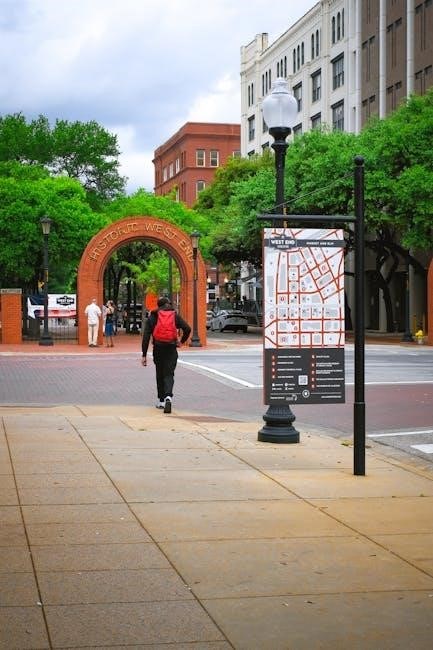
Parkland Hospital: A Scene of Desperation
Visit the site where President Kennedy was rushed after the shooting‚ reflecting on the frantic efforts to save his life and the profound sense of loss․
The Emergency Room and JFK’s Treatment
Imagine the chaotic scene within Parkland Memorial Hospital’s Emergency Room on November 22‚ 1963․ Doctors and nurses worked tirelessly‚ battling against time to treat President Kennedy’s devastating injuries․
Witnessing the desperate attempts to stabilize the President provides a sobering glimpse into the immediate aftermath of the assassination․ Consider the limited medical technology available at the time and the immense pressure faced by the medical staff․
Reflect upon the profound impact this event had on the hospital staff and the city of Dallas․ The emergency room became a focal point of national grief and a symbol of a nation’s collective trauma․ Understanding the medical response offers a crucial layer to the historical narrative․
Reflecting on the Aftermath
Standing at Parkland Hospital‚ contemplate the seismic shift that occurred in American history․ The assassination of President Kennedy triggered a period of national mourning and profound uncertainty․
Consider the immediate impact on the nation’s psyche and the subsequent investigations that sought to unravel the truth behind the tragedy․ Reflect on the loss of innocence and the enduring questions that continue to surround the event․
The aftermath extended beyond the political realm‚ deeply affecting the lives of countless individuals․ Visiting this site encourages a moment of solemn remembrance and a deeper understanding of the enduring legacy of November 22‚ 1963․
Lee Harvey Oswald’s Connections
Explore locations linked to Lee Harvey Oswald‚ including his rooming house‚ to trace his movements before and after the assassination in Dallas․
Oswald’s Rooming House
Visiting the rooming house where Lee Harvey Oswald resided offers a chilling glimpse into his life leading up to the assassination․ Located on North Beckley Avenue‚ this unassuming building served as his temporary home and a crucial piece of the puzzle surrounding the tragic events․
Though the interior is not open to the public‚ observing the exterior allows for contemplation of Oswald’s state of mind and daily routines․ Consider the simplicity of his living conditions and the proximity to Dealey Plaza․
Reflect on how this seemingly ordinary location became inextricably linked to one of the most significant moments in American history․ It’s a sobering reminder of the human element within a larger‚ complex narrative․
Tracing Oswald’s Movements
Following Lee Harvey Oswald’s known movements on November 22‚ 1963‚ provides a crucial understanding of the timeline leading up to the assassination․ Begin by mapping his commute from the rooming house to the Texas School Book Depository‚ visualizing his actions that morning․
Consider his interactions with colleagues and the tasks he performed before allegedly taking his position on the sixth floor․ Researching his movements after the shooting – his escape‚ encounter with Officer Tippit‚ and eventual arrest – adds layers to the story․
Utilize maps and historical accounts to reconstruct his path‚ fostering a deeper appreciation for the sequence of events and the complexities of the investigation․
Additional Sites of Interest
Expand your exploration beyond Dealey Plaza by visiting the Dallas Police Headquarters and Pioneer Park Cemetery‚ offering further context to the historical narrative․
Dallas Police Headquarters
The Dallas Police Headquarters holds a significant‚ albeit somber‚ place in the story of JFK’s assassination․ It was here that Lee Harvey Oswald was initially interrogated following his arrest‚ and where the investigation into the shooting rapidly unfolded․
Visitors can observe the building’s exterior‚ reflecting on the intense activity that occurred within its walls in the immediate aftermath of the tragedy․ While public access inside is limited‚ understanding its role as the central hub for law enforcement during this critical period is essential․
Consider the logistical challenges faced by the police force and the immense pressure to quickly establish facts amidst a nation in shock․ The headquarters represents a key component of the broader narrative‚ illustrating the immediate response to a pivotal moment in American history․
Pioneer Park Cemetery
Pioneer Park Cemetery offers a quiet‚ reflective space connected to the JFK assassination story‚ though indirectly․ This historic cemetery serves as the final resting place for John Neely Bryan‚ the founder of Dallas‚ and many early settlers․
Its inclusion on a self-guided tour stems from a lesser-known aspect: Lee Harvey Oswald’s mother‚ Marguerite Oswald‚ initially requested her son be buried here after his death․ However‚ this request was ultimately denied‚ and Oswald was interred elsewhere․
Visiting Pioneer Park provides a moment for contemplation‚ acknowledging the broader history of Dallas alongside the events of November 1963․ It’s a poignant reminder of the lives touched‚ and the city’s evolution‚ surrounding this tragic event․
Resources for Your Self-Guided Tour
Enhance your experience with audio tours and apps detailing the JFK assassination‚ alongside online maps and historical information for a comprehensive Dallas journey․
Audio Tour Options and Apps
Several audio tour options are available to enrich your self-guided JFK tour of Dallas‚ providing detailed narratives as you visit each significant location․ These tours often begin at Love Field‚ meticulously guiding you through the motorcade route to Dealey Plaza and ultimately to Parkland Hospital․
Many apps offer a synchronized experience‚ utilizing GPS to trigger audio segments as you approach key sites like the Grassy Knoll and the Texas School Book Depository․ Trusted reviews highlight the immersive nature of these tours‚ offering firsthand accounts and historical context․ Consider exploring options that include insights into Lee Harvey Oswald’s movements and connections‚ adding another layer to your understanding of this pivotal moment in history․ These resources transform a simple drive into a deeply engaging and informative experience․
Online Maps and Historical Information
Numerous online resources enhance your self-guided JFK tour in Dallas‚ providing essential maps and detailed historical information․ Websites dedicated to the assassination offer interactive maps charting the motorcade route from Love Field‚ through Dealey Plaza‚ and onward to Parkland Hospital․
These digital tools often include archival photographs‚ witness testimonies‚ and analyses of the events surrounding November 22‚ 1963․ Explore resources detailing the layout of Dealey Plaza‚ pinpointing the location of the Grassy Knoll and the Texas School Book Depository․ Accessing this information beforehand allows for a more informed and meaningful exploration of these historically significant sites‚ enriching your understanding of the tragedy and its aftermath․